Start Your Journey with Us: Exclusive First-Time Discount!
Buying Indonesian Green Coffee for Your Roastery
Indonesian Coffee Regions, Specialty Coffee Roastery, Grade 1 Green Beans
COFFEE STORYCOFFEEPRODUCTS STORY
Niaga Admin
8/27/20252 min read
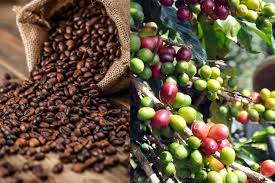
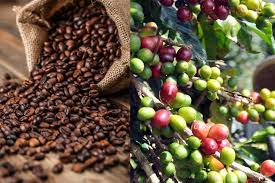
For any coffee roastery, Indonesia is a cornerstone origin. As one of the world’s largest producers, the archipelago offers a range of flavor profiles that are difficult to find anywhere else. From the deep, earthy tones of Sumatra to the clean, sweet profiles of Java, Indonesian green coffee provides the versatility needed for both specialty single-origins and high-performance espresso blends.
The first step in buying Indonesian green coffee is knowing which region fits your brand's roasting style. Indonesia's geography creates distinct microclimates:
Sumatra (Gayo, Mandheling): Known for being heavy-bodied with low acidity and earthy, spicy notes. These are often the "anchor" for dark roasts.
Sulawesi (Toraja): Offers a refined, syrupy body with hints of nuts and dark chocolate. It is often cleaner than Sumatran lots.
Java (Ijen, Preanger): Typically processed using the fully washed method, resulting in a brighter, cleaner cup with chocolatey sweetness and floral aromas.
In Indonesia, processing is just as important as the origin. You will primarily encounter two methods: Giling Basah (Wet-Hulling) and Fully Washed.
Giling Basah is unique to Indonesia and creates the intense body and bluish-green bean color that many customers associate with "Sumatra coffee."
Fully Washed beans are becoming more popular in the specialty sector, offering higher clarity and more predictable roasting behavior. Understanding which process a lot has undergone is crucial for managing your roast profiles.
Quality Standards and Grading
When sourcing for a roastery, always look for Grade 1 (G1) specifications. This ensures the beans have been meticulously sorted to minimize defects, which leads to a more consistent roast and better flavor in the cup. Additionally, check for moisture content—ideally between 11% and 12%—to ensure the beans stay fresh during shipping and storage in your warehouse.
Timing and Seasonality
Because Indonesia spans the equator, harvest times vary. Sumatra usually harvests between October and March, while Java and the eastern islands harvest from May to September. For a roaster, buying "fresh crop" means aligning your contracts with these harvest windows. Getting in early allows you to secure the best lots before they are snatched up by larger commercial buyers.
Why Sourcing Directly Matters
Buying Indonesian coffee directly from an exporter who has a presence on the ground ensures better traceability and quality control. It allows you to know the story behind the beans—who grew them and how they were handled. In a market where consumers value transparency, being able to share these details about your coffee's journey from an Indonesian highland farm to your roastery is a powerful selling point.
About Us
We are a premier trading company specializing in the export of high-quality coffee, crispy fried shallots, and tempeh from Indonesia. Committed to excellence and customer satisfaction.
Contact Us
Why Choose Us
info@niagafokusnusantara.com
+62 878-6940-2416
© 2024. All rights reserved.
Entrepreneur Building Floor 1 Unit 104, Jalan HR Rasuna Said Kav. C-5, Karet, Setiabudi, South Jakarta, Jakarta Indonesia 12920
Monday - Friday, 8 AM - 5 PM (Local Time)
Trusted by clients across Europe and Southeast Asia for our quality and reliability.