Start Your Journey with Us: Exclusive First-Time Discount!

The Benefits of Traditional Indonesian Tempeh
Traditional Indonesian Tempeh, Plant-Based Protein
TEMPEHPRODUCTS STORYTEMPEH STORY
Niaga Admin
11/18/20252 min read
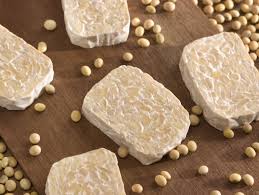
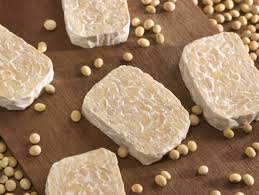
Tempeh is much more than just a meat substitute; it is a nutritional powerhouse with a history in Indonesia dating back centuries. While it has recently gained global popularity in plant-based diets, the traditional Indonesian method of fermentation remains the gold standard for quality and flavor. For businesses and health-conscious consumers alike, understanding the benefits of authentic tempeh explains why it has become a staple in the modern wellness industry.
A Natural Protein Powerhouse
One of the primary reasons tempeh is favored by athletes and nutritionists is its high protein content. Unlike many processed plant proteins, tempeh is a whole-food source. A single serving provides a significant amount of complete protein, containing all the essential amino acids the body needs. Because the soybeans are fermented whole, tempeh also retains a high amount of dietary fiber, making it a satiating and heart-healthy option for any meal.
Easier Digestion Through Fermentation
The secret to tempeh’s benefits lies in the fermentation process, typically using the Rhizopus oligosporus culture. This process breaks down the phytic acid and complex sugars found in soybeans, which can sometimes cause digestive discomfort in other soy products. This makes tempeh much easier for the body to digest and allows for better absorption of minerals like iron, calcium, and zinc. It is a "living" food that supports gut health and overall metabolic function.
Rich in Essential Nutrients and Vitamins
Beyond protein, traditional tempeh is an excellent source of vitamins and minerals. It is particularly noted for its B-vitamin profile, including B12, which is often difficult to find in plant-based diets. It also contains powerful antioxidants called isoflavones, which are known for their anti-inflammatory properties. For those looking to support bone health and reduce oxidative stress, incorporating tempeh into a regular diet provides a natural, chemical-free solution.
Sustainability and Culinary Versatility
From an environmental perspective, tempeh is one of the most sustainable protein sources available. It requires significantly less water and land to produce than animal proteins, making it a "green" choice for the planet. In the kitchen, its firm texture and nutty flavor make it incredibly versatile. It absorbs marinades perfectly and can be grilled, sautéed, baked, or even crumbled into sauces, offering a satisfying "bite" that other plant proteins lack.
Why Authenticity Matters
As the demand for tempeh grows, sourcing traditional Indonesian tempeh ensures that you are getting a product made with time-honored techniques. Authentic tempeh is made with non-GMO soybeans and minimal processing, preserving the integrity of the nutrients. For importers and retailers, offering traditional tempeh means providing a product that is not only healthy but also carries a rich cultural heritage and a superior taste profile that mass-produced alternatives cannot replicate.
About Us
We are a premier trading company specializing in the export of high-quality coffee, crispy fried shallots, and tempeh from Indonesia. Committed to excellence and customer satisfaction.
Contact Us
Why Choose Us
info@niagafokusnusantara.com
+62 878-6940-2416
© 2024. All rights reserved.
Entrepreneur Building Floor 1 Unit 104, Jalan HR Rasuna Said Kav. C-5, Karet, Setiabudi, South Jakarta, Jakarta Indonesia 12920
Monday - Friday, 8 AM - 5 PM (Local Time)
Trusted by clients across Europe and Southeast Asia for our quality and reliability.